Product Description
We are pleased to introduce ourselves as a leading manufacturer of Vacuum Bags used for making PVB/EVA Laminated Safety Glasses (Automotive/ Architectural/ Decorative/ Bullet resistant) for any size depending on your specific needs.
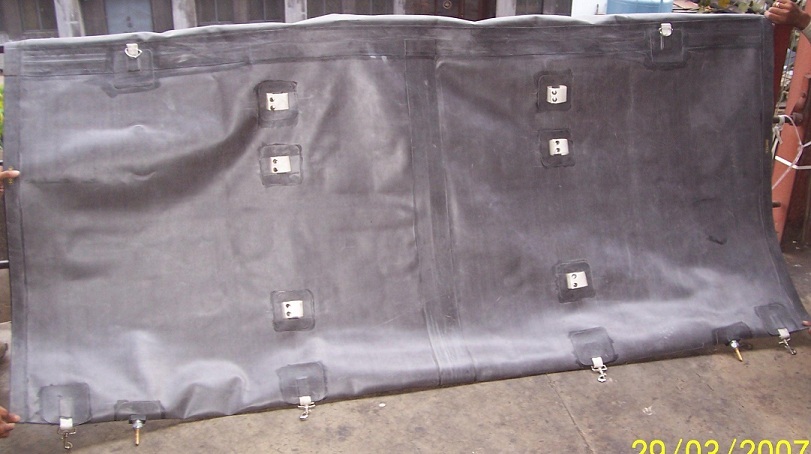
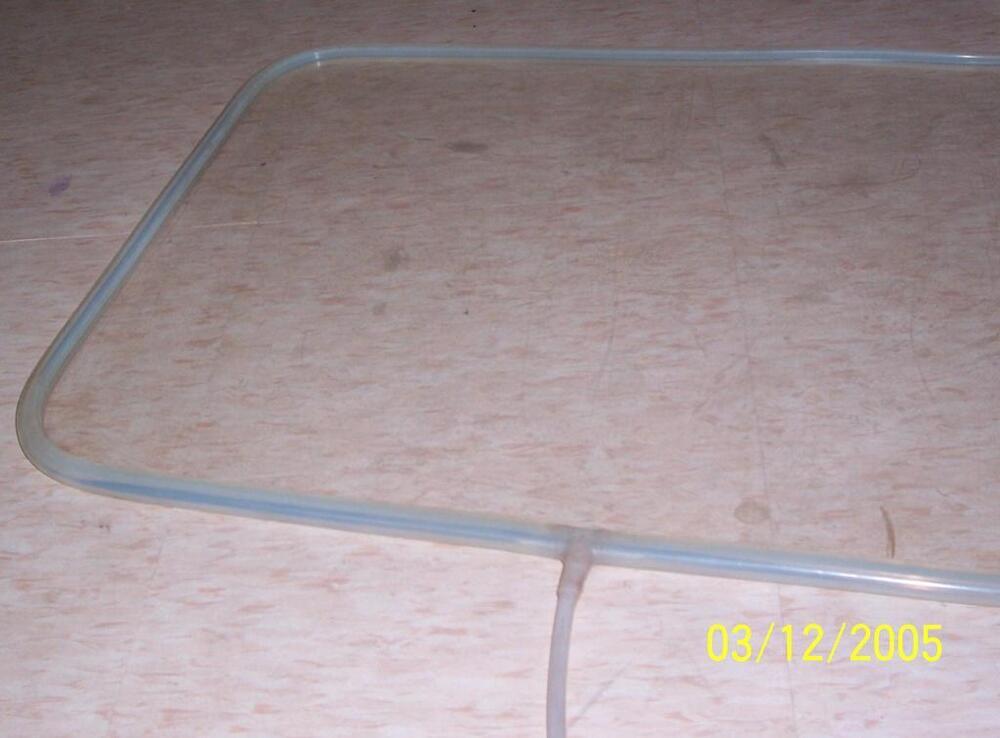
We make bags made of Rubber coated fabric(for making PVB laminated glasses in automatic setup suitable upto 150 deg C), Silicone ( for making EVA laminated glasses, composites etc, suitable upto 250 deg C) and Nylon Vacuum Bagging film(suitable for single use)
Exceptional Durability and StrengthThese vacuum bags feature high seam and tensile strength (minimum 40 MPa), allowing them to withstand demanding vacuum forming and resin infusion processes. Their high elongation, tear resistance, and excellent sealing properties make them a reliable choice for industrial use in glass lamination and composites fabrication.
Versatile and Customizable SolutionsAvailable in flexible rolls or precisely cut sheets, our vacuum bags accommodate widths up to 3000 mm and can be tailored to any size requirement. The transparent or translucent green/blue finish aids visual inspection of processes. Their compatibility with various resins and release agents ensures broad applicability across numerous production environments.
Superior Chemical and Thermal ResistanceConstructed from nylon/polyamide or engineered thermoplastic polymers, these bags deliver low water absorption, low thermal conductivity, and outstanding resistance to chemicals and high temperatures (up to 210C, depending on the polymer). Their non-flammable nature and smooth surface ensure safety and efficiency during operation.
FAQ's of Vacuum Bags for laminated glass, composites:
Q: How are these vacuum bags used in laminated glass and composite manufacturing processes?
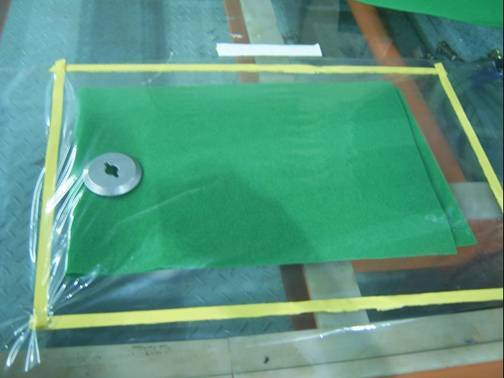
A: These vacuum bags are applied to cover the material stack during vacuum bagging operations such as laminating glass, resin infusion, debulking, and composite vacuum forming. They create an airtight seal when combined with standard bag sealing tapes, allowing the application of high vacuum levels to remove trapped air and volatile materials, thus ensuring superior laminate quality.
Q: What benefits do these vacuum bags offer over rubber-based alternatives?
A: Our vacuum bags are not rubber-based but instead utilize nylon/polyamide or specially formulated thermoplastic polymers, offering excellent chemical and thermal resistance, low water absorption, and non-flammability during standard use. This makes them more durable and suitable for a wider range of resins and temperatures without risk of degradation or rubber-related contamination.
Q: When should I replace the vacuum bags during manufacturing operations?
A: These bags are designed as consumables, typically for one-time use per cycle. For best results and to maintain seam strength, replace the vacuum bag after each vacuum forming, resin infusion, or glass lamination cycle. Using a fresh bag ensures optimal sealing and prevents failure from potential puncture or chemical exposure.
Q: Where can I source these vacuum bags in customized sizes and specifications?
A: As a leading exporter, manufacturer, and supplier based in India, we offer vacuum bags in customizable widths (up to 3000 mm), lengths, and thicknesses. Rolls or individual sheets can be tailored to your specific requirements. Reach out directly to discuss customizations suitable for your production process.
Q: What is the process for installing and sealing these vacuum bags?
A: To install, lay the vacuum bag sheet or film over the prepared mold or layup. Use compatible standard bag sealing tapes to create a continuous, airtight seal along all edges. After sealing, attach the vacuum connection and proceed with the vacuum process. The bags' high flexibility and elongation allow easy manipulation around complex shapes.
Q: What is the recommended storage method and shelf life for these vacuum bags?
A: Store the vacuum bags in their original sealed packaging in a cool, dry area away from direct sunlight. Under these conditions, the bags maintain their performance characteristics for at least 12 months, preserving their mechanical and sealing properties until use.

 Send Email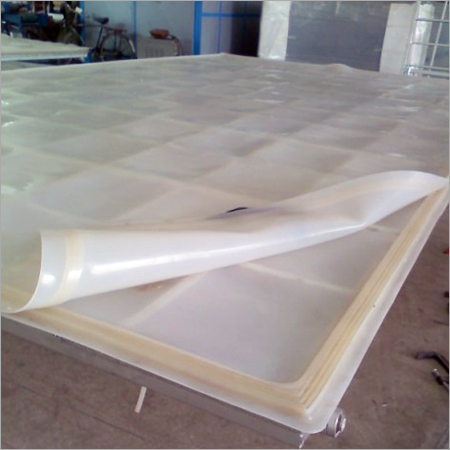




 Send Inquiry

 Send Inquiry
 Send SMS


 English
 Spanish
 French
 German
 Italian
 Chinese (Simplified)
 Japanese
 Korean
 Arabic
 Portuguese